Fernando Matías Bardelli
Development Sr. Manager | Tecpetrol


JUNE 1 - 4, 2026
HILTON HOTEL BUENOS AIRES, ARGENTINA


Best Practices Exchange Talks – Upstream

Development Sr. Manager | Tecpetrol
Functional safety in the process industry refers to the part of overall safety that depends on the correct functioning of systems and equipment to manage risks
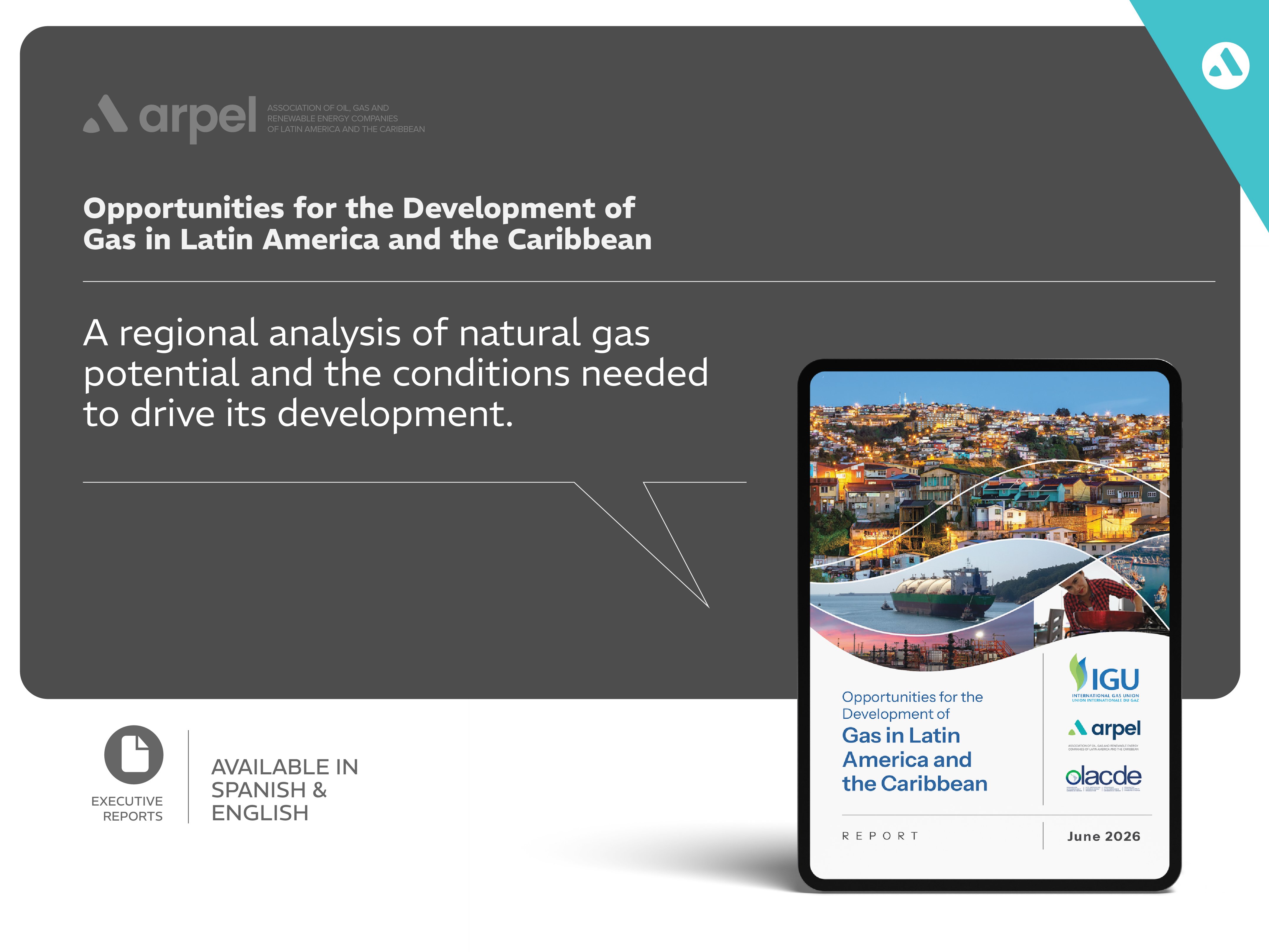
Arpel presents the report “Opportunities for the Development of Gas in Latin America and the Caribbean,” jointly developed with the International Gas Union (IGU) and the Latin American and Caribbean Energy Organization (OLACDE).
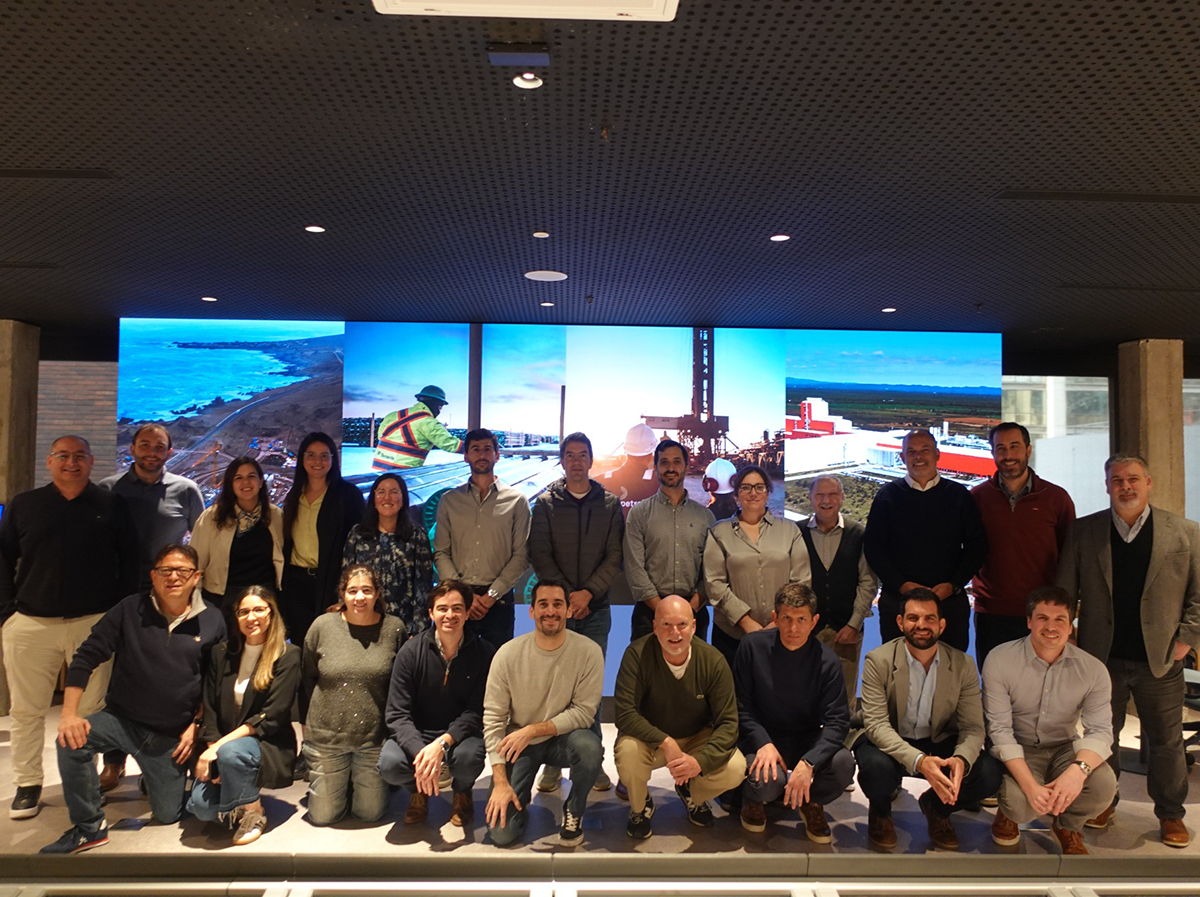
Buenos Aires hosted the first edition of “Negotiation in Brief”, developed by Arpel together with instructor Guillermo Jalfin, a practical training program focused on developing negotiation tools and capabilities for the energy sector.
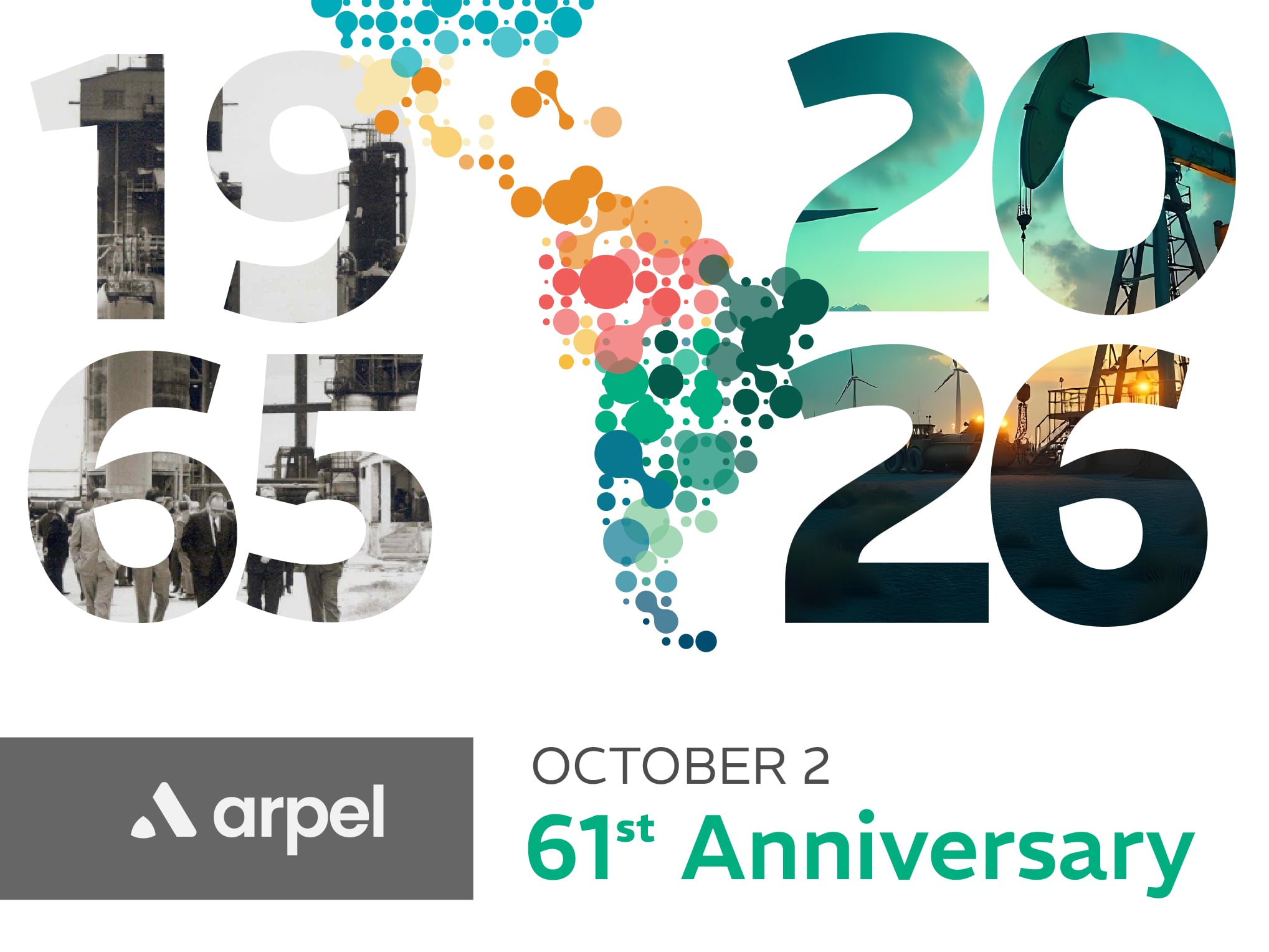
We are proud to celebrate Arpel’s 61st anniversary. Our association was founded in Rio de Janeiro on October 2, 1965, by eight state-owned companies. Throughout its history, private regional independents, global integrated, hydrocarbon transportation, LNG and refining companies joined the association.
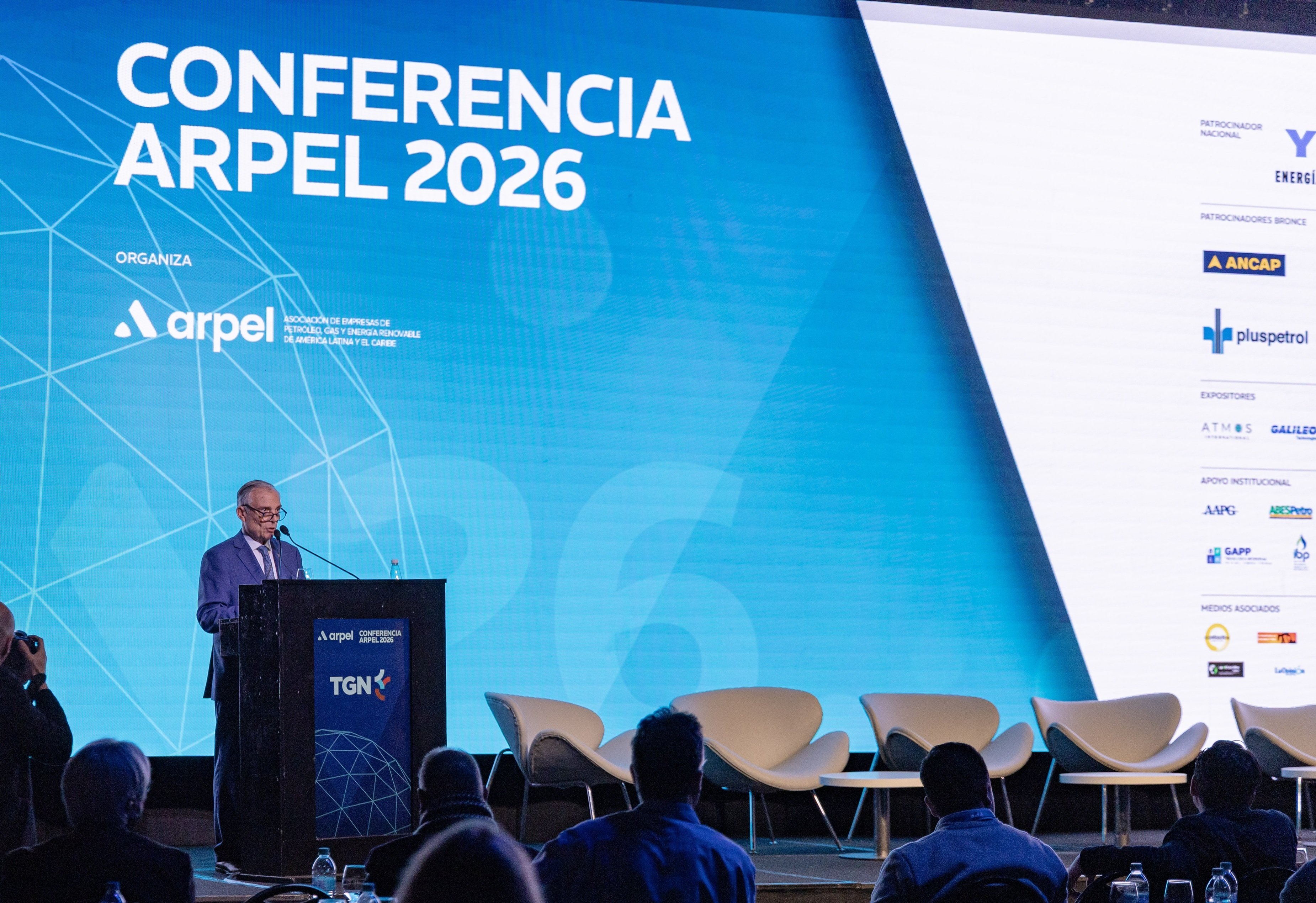
Arpel's Eighth Conference concluded with a call to embrace the complexity of the global energy system and move forward with a pragmatic approach. "Rather than an energy transition driven by the replacement of one energy source with another, what we are witnessing is an energy evolution," said Executive Secretary Carlos Garibaldi, reflecting the industry's perspective that emerged throughout the Conference's four-day program.
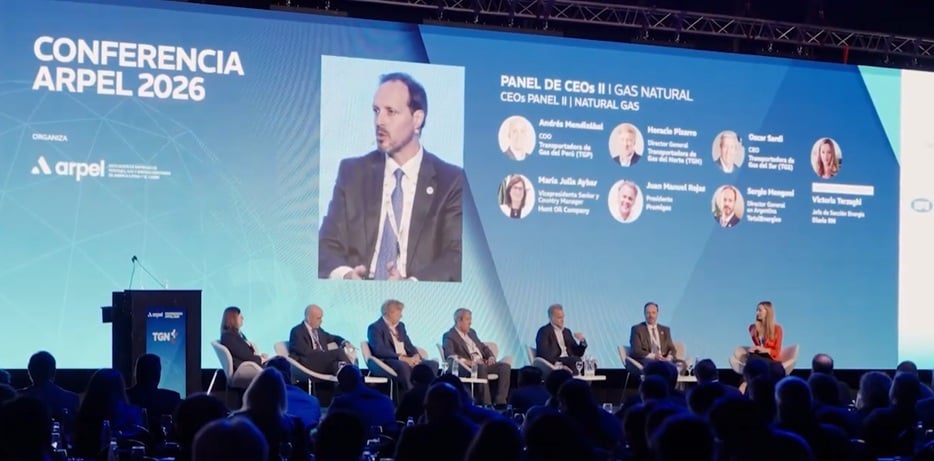

Latin America and the Caribbean hold abundant underdeveloped natural gas resources that, if effectively developed and monetised, can provide multiple benefits to the region and world. Despite this potential, Latin America and the Caribbean account for a relatively small share of global natural gas production (approximately 5%). From a supply-side perspective, the monetisation of the region’s natural gas reserves can drive economic growth, strengthen the trade balance through higher exports and reduced imports, and support social development by expanding access to cleaner, more affordable and reliable energy.




Membership in Arpel is open to companies and institutions in the oil, gas and renewable energy sectors with operations in Latin America and the Caribbean.
VIEW INSTITUTIONAL PRESENTATION